
Animal and wildlife centres
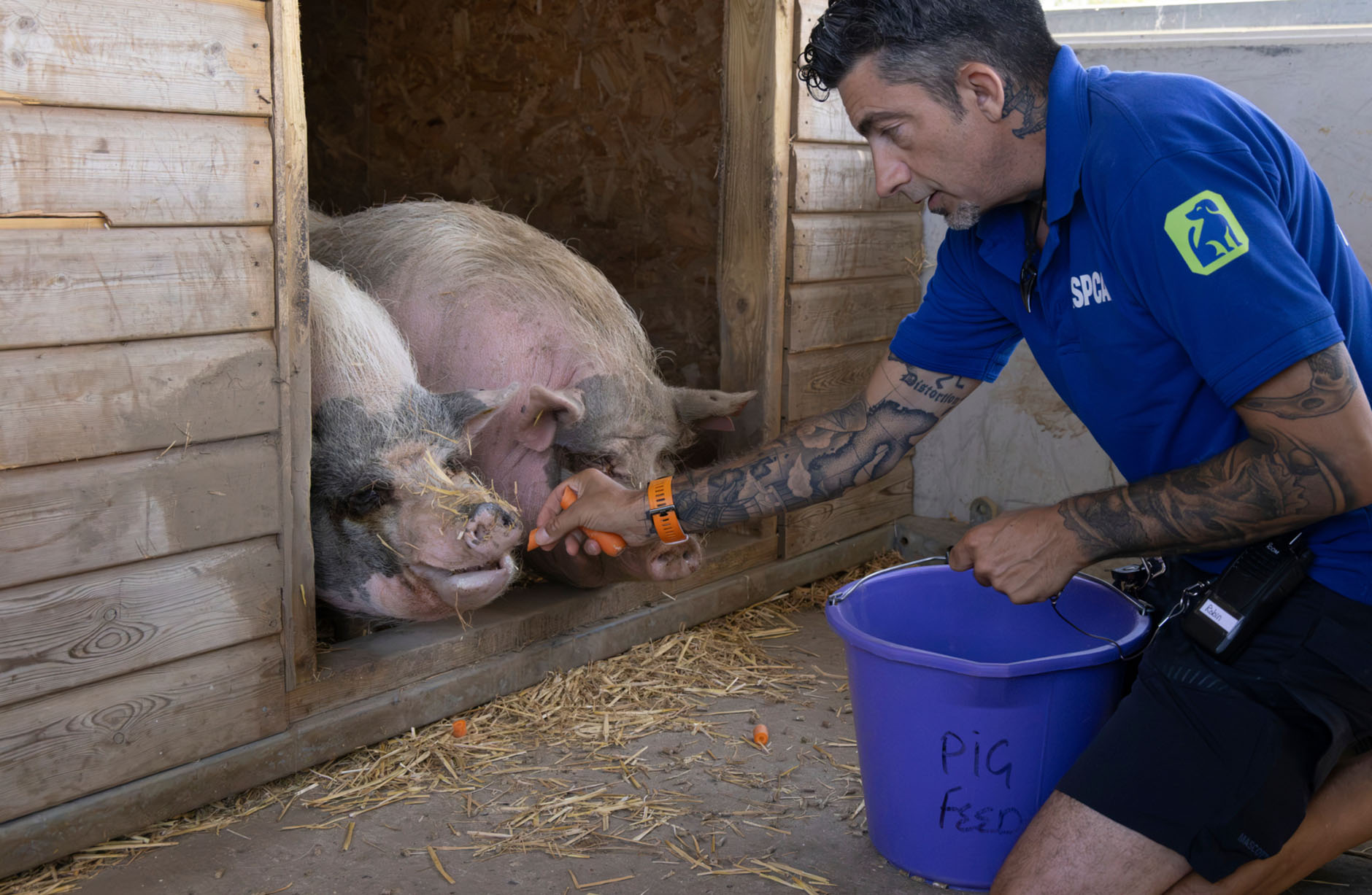
Roles available in our animal and wildlife centres include: animal care assistant/supervisors, animal centre managers and deputy managers, behaviour and welfare advisors, grooms, kennel and cattery positions, maintenance workers, pet food bank coordinators, rehoming coordinators and wildlife assistants/supervisors.
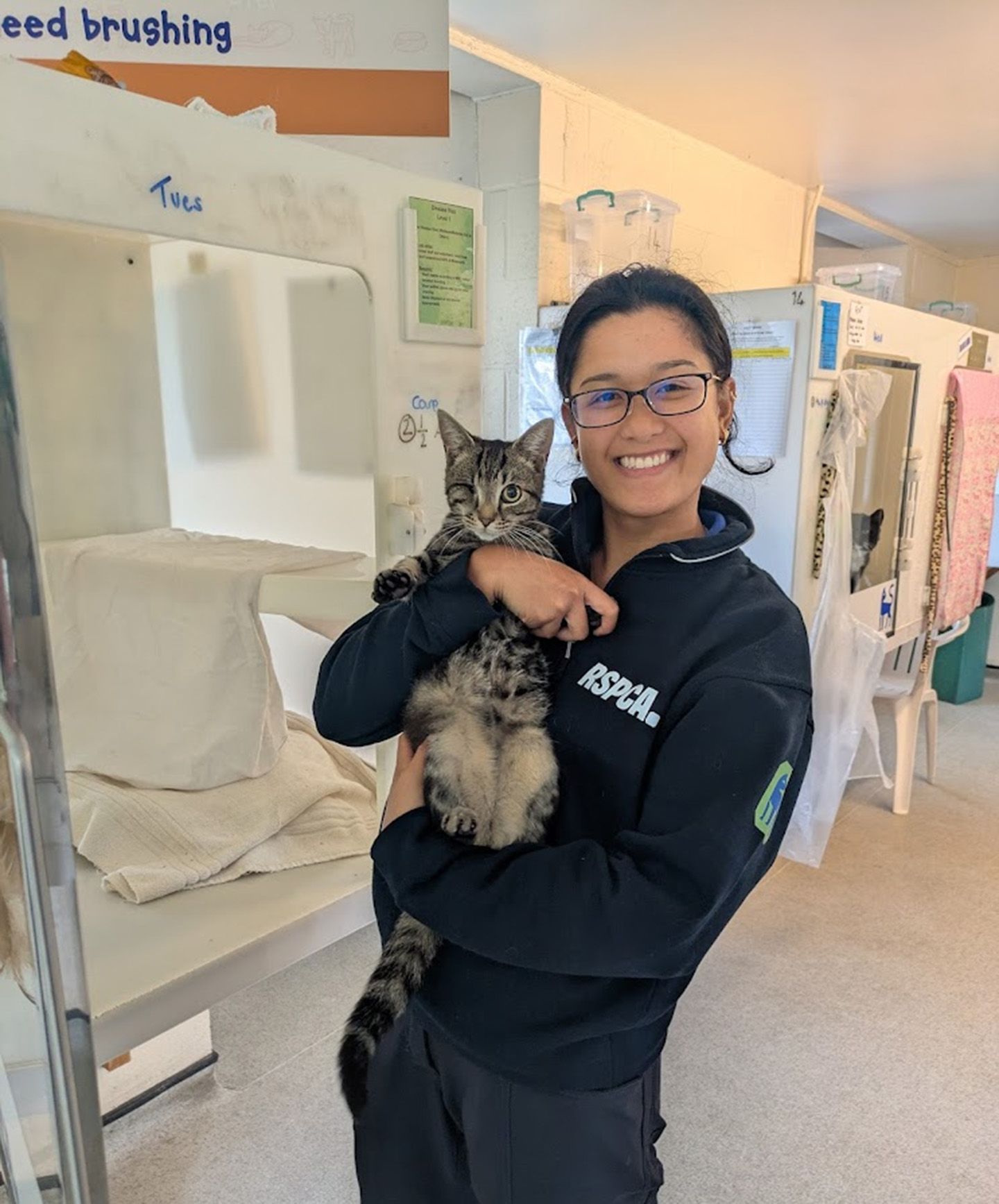
Animal Care Assistant - Dani Perez
What have you learned since joining the RSPCA?
My main advice is to highlight your passion for animals and your genuine desire to help them, as well as to show that you understand the physically demanding nature of the role.
Strong communication skills are essential, since effective workflow relies on them, and it’s important to show your commitment to learning and providing proper care for the animals. Most importantly, be yourself, and demonstrate kindness and support toward others.
What advice would you give to someone wishing to join us as a Wildlife Assistant at the RSPCA?
I have learned a lot since joining. I’ve gained a deeper understanding of behavioural signs in both cats and dogs, and I’m now able to recognise subtle cues and respond appropriately, to ensure nothing escalates.
Working with a wide range of animals, each with unique traits, has broadened my knowledge of how to meet their individual needs more effectively. I’ve also developed a variety of training techniques and expanded my understanding of health issues - learning potential causes when they aren’t immediately clear and how to address them whenever possible.
I would also suggest being receptive to learning from others with knowledge and experience by asking lots of questions.
What does a typical day look like in a snapshot?
A typical day at the RSPCA begins with morning feeding and cleaning, ensuring everything is prepared so we can enjoy spending quality time with the animals in the afternoon. We make sure every dog is walked and focus on animals with behavioural plans, while also giving as much individual attention as possible to all animals on site to better understand their needs. Throughout the day, we complete paperwork, make phone calls, and carry out additional tasks such as vet runs and deep cleans. We end the day with evening feeds, cleaning, and restocking in preparation for the following day.
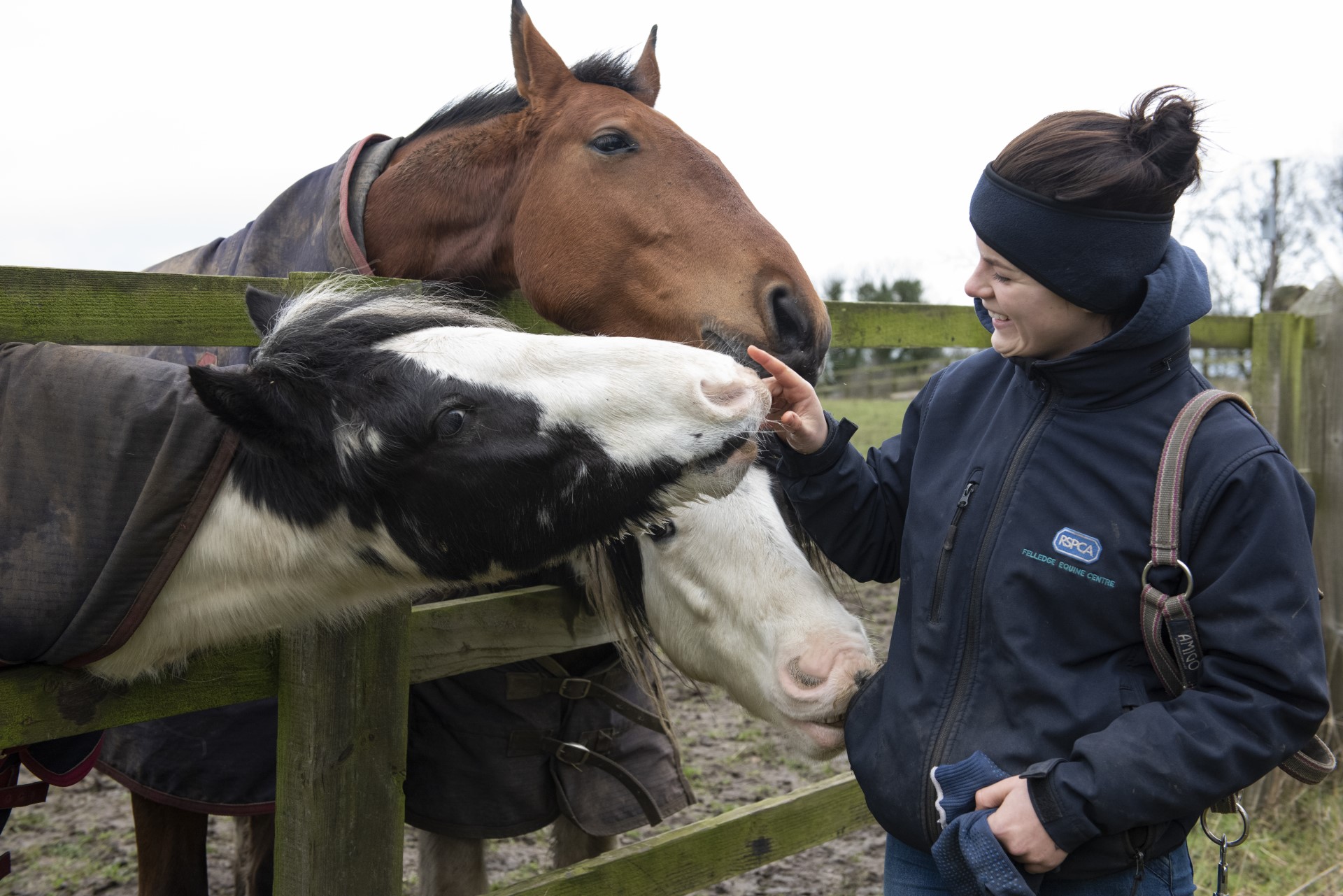
Groom - Gemma Gurr
What do you enjoy most about your role?
I absolutely love working as a groom at RSPCA Felledge Equine Centre and one of my favourite parts of the job is seeing nervous, feral or very poorly equines (horses, ponies and donkeys) come into our care and being able to bring them around and nurse them. There is nothing more rewarding than seeing those horses eventually ready to start a new life in a forever home.
What advice would you give to someone wishing to join us as a groom at the RSPCA?
Go for it! If you have a passion for improving the lives of equines as well as experience dealing with a variety of horses and the knowledge required for the role, becoming a groom with the RSPCA is a fantastic opportunity.
What does a typical day look like in a snapshot?
The typical day as an equine groom will begin with initial daily checks which include making sure all of the horses, fields, water troughs and fencing are as they should be.
We try to have as many horses living out 24/7 as possible but if there are some that may require further handling or sick nursing it is then time to ensure they have had all necessary medication, handling and all of the yard and stables are tidy.
For the remainder of the day, we work with the rest of our allocated horses, which could include training, grooming, picking feet, and rehabilitation.
We end the day similar to how we begin making sure all of the horses are settled, all of the yards are tidy and all daily treatments have been taken care of.
